Best Potatoes for French Fries
The best potatoes for french fries are high in starch and low in moisture, which gives a crisp outside and a fluffy center. Russet potatoes are the usual winner, but Yukon Gold potatoes are a good second choice. This guide compares the main types and shares simple steps for making great fries at home.
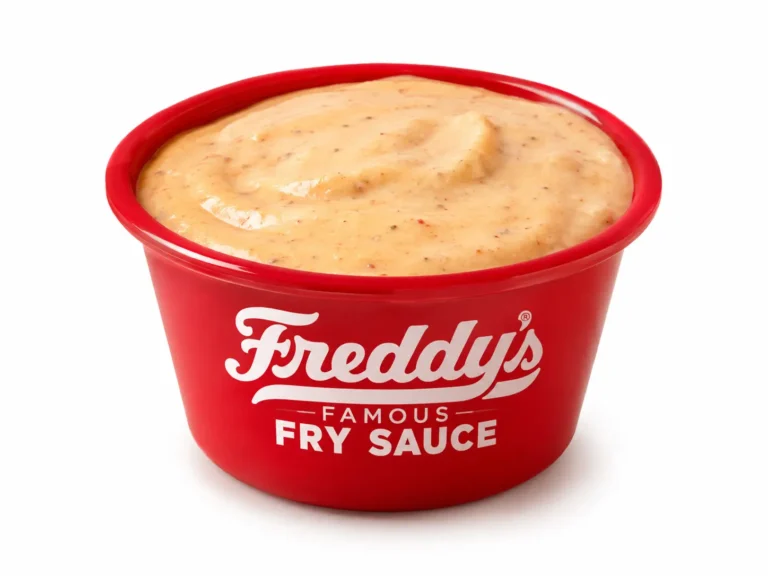
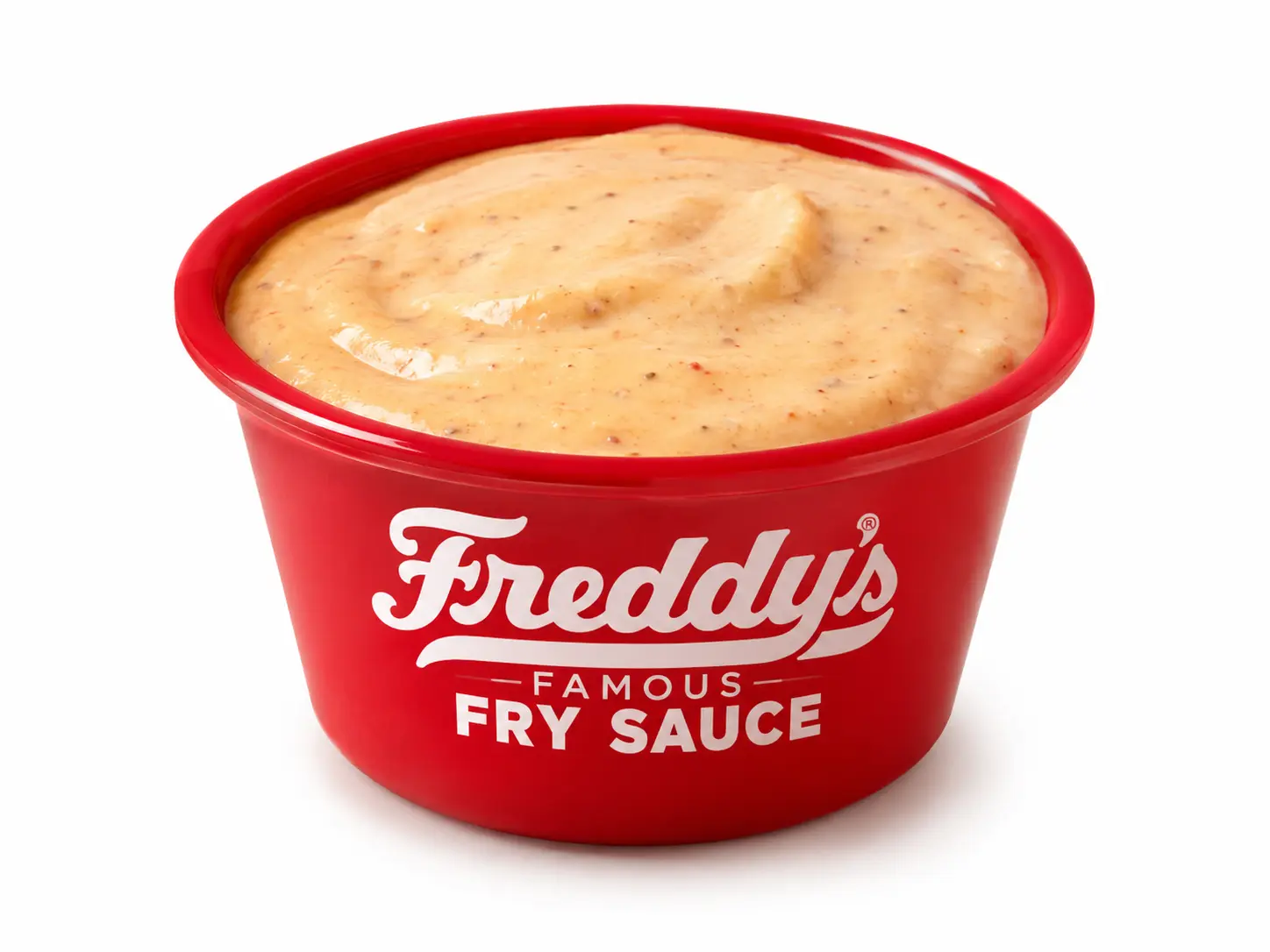
Once you have your potatoes, see our guide to types of fries for cut ideas and Freddy’s Fry Sauce for a dip.
Potatoes Compared
| Potato | Starch | Texture | Fry Rating |
|---|---|---|---|
| Russet (Idaho) | High | Fluffy inside, crisp outside | Best |
| Yukon Gold | Medium | Creamy and buttery | Very good |
| Red potato | Low | Waxy and firm | Fair |
| Sweet potato | Medium | Soft and sweet | Good with a coating |
| Fingerling | Low | Waxy | Fair |
Why Russets Are the Best Potatoes for French Fries
Russets have high starch and low moisture. Starch crisps and browns in hot oil, while less water means less steam and less sogginess. The long, oval shape also makes uniform sticks easy to cut. Idaho potatoes are a type of russet, so the names are often used interchangeably.
Yukon Gold and Other Options
Yukon Gold potatoes give a creamier, richer fry, but they brown a little faster and are slightly less crisp. Red and fingerling potatoes hold their shape but are waxy, so they do better roasted than fried. Sweet potatoes contain more sugar and brown quickly, so a light coating of cornstarch helps keep them crisp.
How to Make Crisp French Fries
Follow these steps to get the most from the best potatoes for french fries.
| Step | What to Do |
|---|---|
| Cut | Slice into even sticks, about 1/4 to 3/8 inch |
| Soak | Cold water for 30 minutes to remove surface starch |
| Dry | Pat very dry with clean towels |
| First fry | 325°F for 3 to 5 minutes until pale |
| Rest | Drain and cool for 10 minutes |
| Second fry | 375°F for 2 to 4 minutes until golden |
Salt the fries right after frying while they are hot. Use a thermometer, and never leave hot oil unattended.
Tips for Better Fries
Use fresh potatoes, since old or sprouted ones can taste bitter and brown too fast. Do not crowd the pot, because crowding drops the oil temperature and makes fries greasy. For oven fries, use a hot, preheated sheet pan and spread the fries in one layer.
Leftovers? Our guide on how to reheat fries shows how to bring them back to crisp.
Allergen and Nutrition Notes
Plain potatoes are naturally free of the major allergens, but cooking oil, seasoning and shared fryers can add them. Check the official Nutrition & Allergen Information when ordering fries at a restaurant.
Storing Potatoes for Frying
Keep potatoes in a cool, dark, well-ventilated place, but not in the refrigerator, because cold storage can turn starch into sugar and cause dark, bitter fries. Discard potatoes that are green or sprouting heavily, since green spots can taste bitter and may contain solanine.
Oil and Temperature Tips
Choose an oil with a high smoke point, such as peanut, canola or sunflower oil. Keep the oil at the right temperature, since too cool makes greasy fries and too hot burns the outside before the center cooks. Fry in small batches and let the oil recover between them.
Skin On or Skin Off?
Both work. Skin-on fries have more texture and a rustic look, while peeled fries are more uniform and closer to restaurant style. Scrub skin-on potatoes well before cutting. Many shoestring fries are peeled, while steak fries are often left with the skin.
Conclusion
For crisp, fluffy fries, choose russets first and Yukon Golds second. Soak, dry and double fry for the best results. The best potatoes for french fries make everything else easier.