Concrete vs Shake
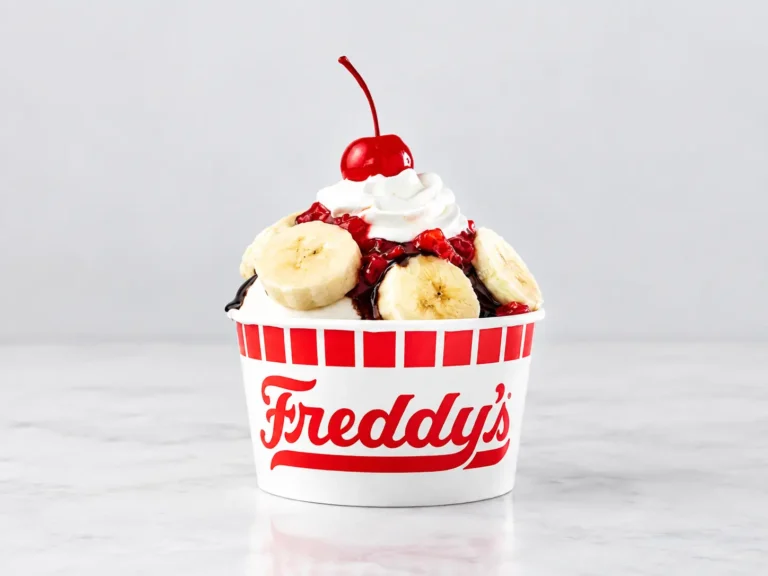
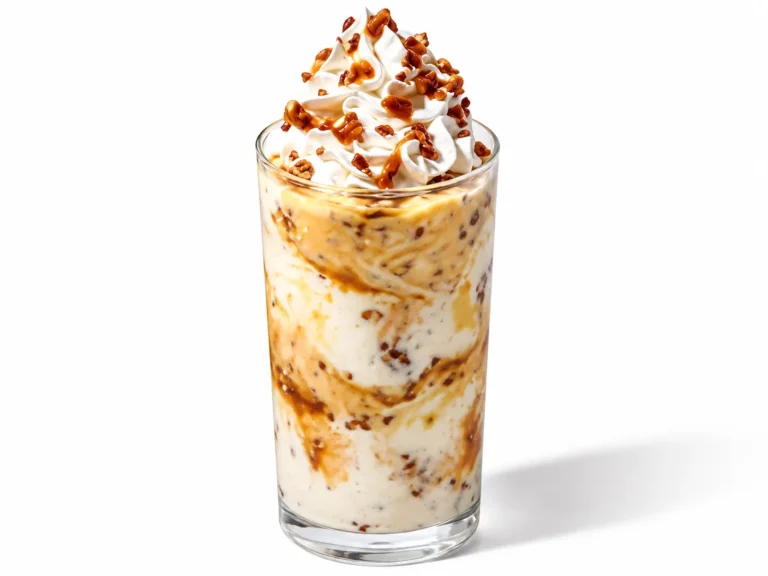
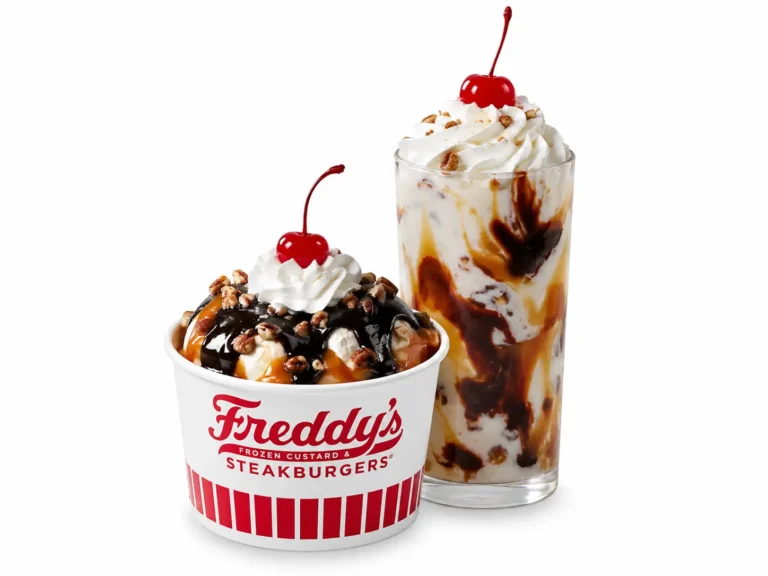
A concrete is a thick frozen custard dessert blended with mix-ins until it is dense enough to eat with a spoon. If you have wondered about concrete ice cream and how it compares with a shake, the difference comes down to thickness and how you eat it.
Freddy’s serves concretes, and you can read about two of them on this site: the Toffee Pecan Concrete and the Maple Pecan Concrete.
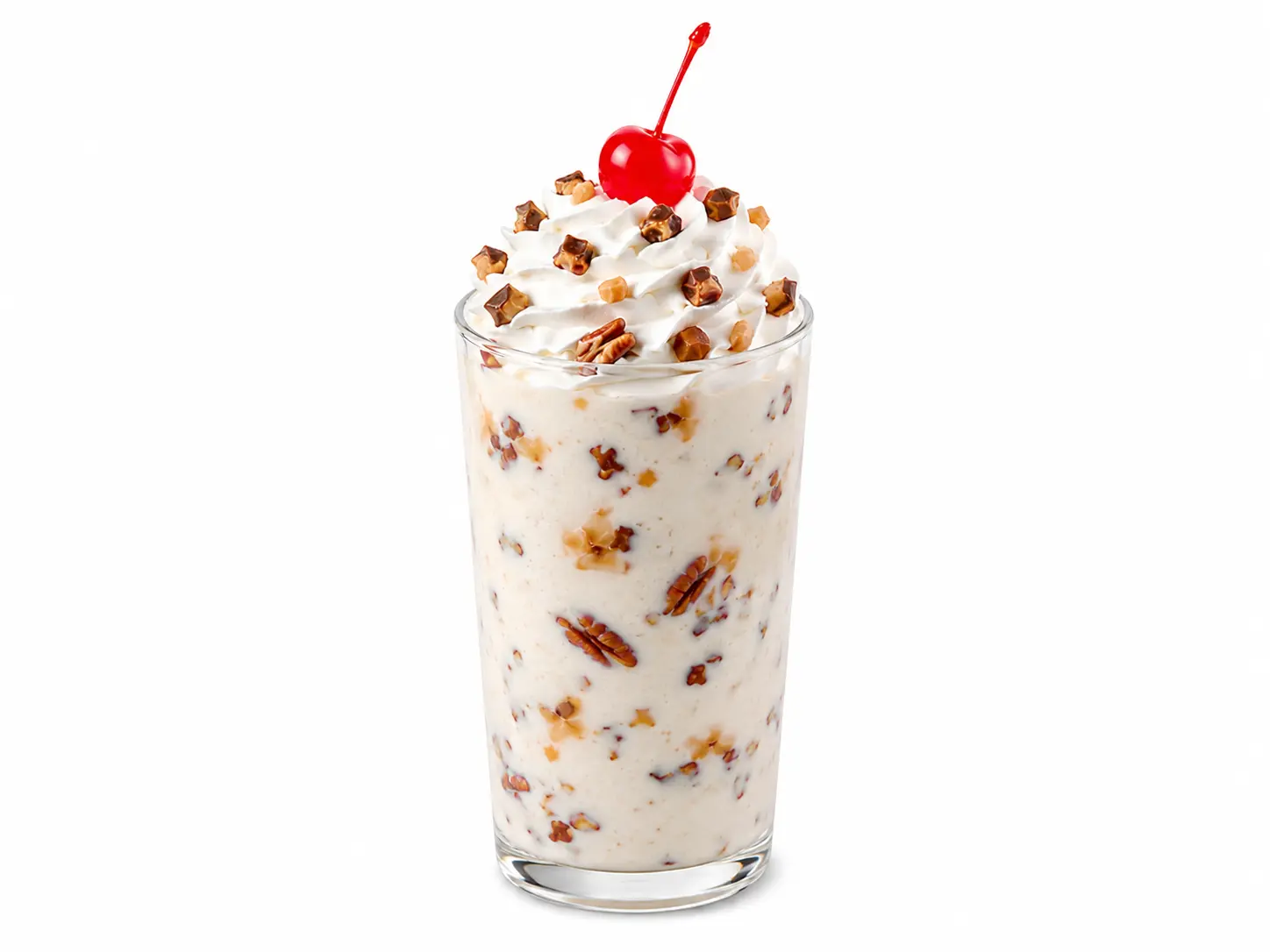
Concrete vs Shake at a Glance
| Feature | Concrete | Shake |
|---|---|---|
| Thickness | Very thick, held with a spoon | Thinner and sippable |
| How you eat it | Spoon | Straw |
| Mix-ins | Blended in as chunks | Blended in smaller pieces or flavored syrup |
| Base | Frozen custard or ice cream | Frozen custard or ice cream with milk |
| Best for | A dessert you want to savor | A cold drink-style treat |
Where the Name Comes From
The concrete is often credited to Ted Drewes Frozen Custard in St. Louis, Missouri, which began serving thick custard blended with mix-ins in the late 1950s and famously hands it over upside down to show it will not fall out. Other shops adopted the idea and use the same name.
What Goes Into a Concrete
A concrete starts with a base of frozen custard and adds crunchy, chewy or fruity mix-ins such as pecans, toffee, cookie pieces or fruit. The mix is blended just enough to spread the flavors through the custard without turning it into a drink.
Which One Should You Pick?
Pick a concrete when you want texture and a dessert you can eat with a spoon. Pick a shake when you want a cold drink. Many people choose a concrete for the mix-ins and a shake for a quick refreshing treat. Menu items and sizes vary, so check the official Freddy’s menu.
Concrete vs Shake: Which Has More Calories?
Because a concrete holds more mix-ins and less liquid, it is often denser and larger in calories than a shake of the same size. In the concrete vs shake debate, the numbers depend on size, base and toppings, so check the official nutrition guide for the exact item.
As a rule, extra mix-ins such as nuts, candy and cookie pieces add calories, while a smaller size or a plain flavor keeps them lower.
How to Make a Concrete at Home
You can make a simple concrete at home with a thick base. Freeze vanilla custard or ice cream until firm, scoop it into a cold bowl, and stir in chopped pecans, toffee bits or cookie pieces with a sturdy spoon. Work quickly so the base stays thick.
For a shake, blend the same base with a splash of milk until it can be sipped through a straw. That small change is the whole concrete vs shake difference in your own kitchen.
| Step | Concrete | Shake |
|---|---|---|
| Milk added | None or very little | Splash to thin |
| Mixing | Stir by hand | Blend until smooth |
| Serve with | Spoon | Straw |
Which Is Better for a Hot Day?
A shake is easy to sip and cools you down fast, while a concrete lasts longer because it melts slowly. If you plan to share, a concrete is easier to split with extra spoons. If you are on the go, a shake with a straw is simpler to carry.
Both are treats, so enjoy them in moderation and check the official nutrition and allergen details for the item you choose. Ordering a small size is an easy way to keep portions in check.
Conclusion
A concrete is thicker, spoonable and full of mix-ins, while a shake is thinner and sipped with a straw. Both use a creamy base, so allergens such as milk, egg, nuts and wheat depend on the mix-ins. See the official nutrition and allergen information before you order.